Energy systems strategy
Generation mix, flexibility, offtake and market design. Scenario and dispatch modelling that stands up to a lender's technical adviser.
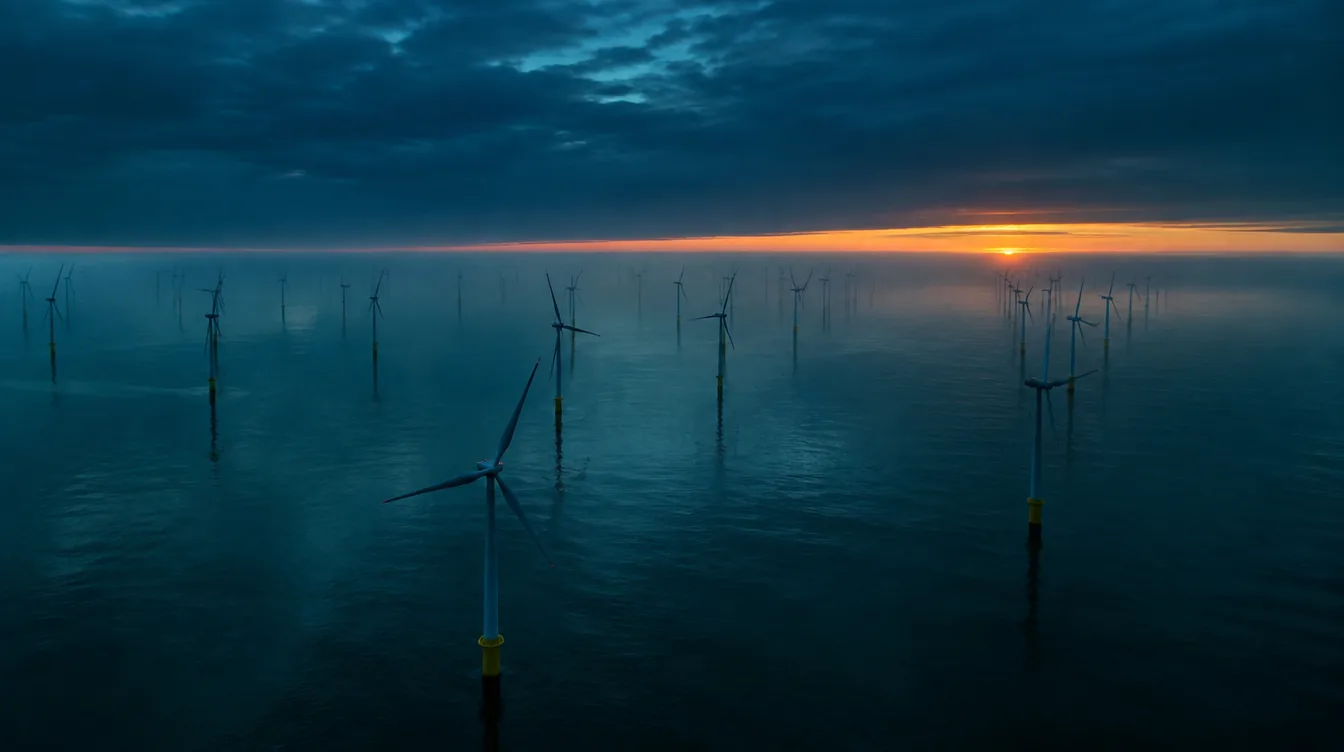
Frankfurt · Copenhagen · Brussels · Casablanca
Acentrium advises and engineers the energy transition for utilities, industrial groups, public authorities and European research consortia. We take on the parts of the problem that do not resolve on a slide.
Who we are
Acentrium started in Frankfurt as a technology consultancy and spent a decade building software, data platforms and delivery teams for regulated industries. That work taught us where large programmes actually fail: not in the strategy, but in the interfaces between engineering, regulation, financing and operations.
We now apply the same discipline to energy. Our clients are utilities and transmission operators, industrial groups decarbonising their own production, public authorities and development banks, and the European consortia funding the next generation of energy technology. We stay small enough that the people who win the work are the people who deliver it.
Alongside the advisory business we run a research group. Part of it is public and collaborative, inside European programmes. Part of it is proprietary, developed under client confidentiality in optics, quantum sensing and nanostructured materials. Both feed the same practice.
Capabilities
Generation mix, flexibility, offtake and market design. Scenario and dispatch modelling that stands up to a lender's technical adviser.
Owner's engineering across foundations, array systems, export cables and offshore substations, from tender through installation.
Connection studies, stability and harmonics, grid-forming control, storage sizing and ancillary service strategy.
Hydrogen, derivatives and process heat for industrial groups: technology selection, plant concept, offtake logic and permitting strategy.
Optics, quantum sensing and nanostructured materials, run as a laboratory programme with a route to deployment.
SCADA and sensor pipelines, forecasting, degradation models and the governance that keeps operational data trustworthy.
Research group
Energy assets are measured badly. Most of what our clients want to know about a turbine, a cell, a membrane or a subsurface formation comes down to a measurement someone cannot yet make reliably in the field. That is where this group works.
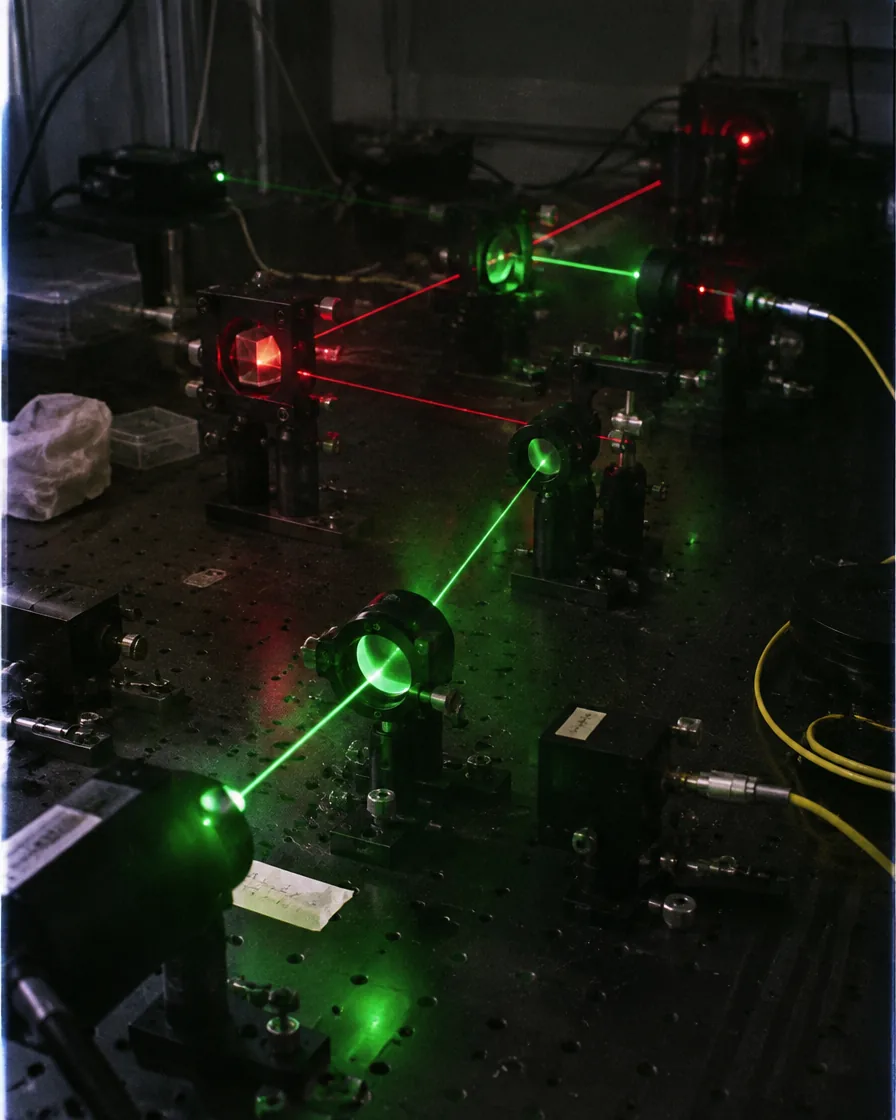
Laser-based sensing, spectroscopic diagnostics and interferometric measurement for assets that are hot, moving, offshore or otherwise inconvenient. The work runs from bench characterisation to qualified field trials with industrial partners.
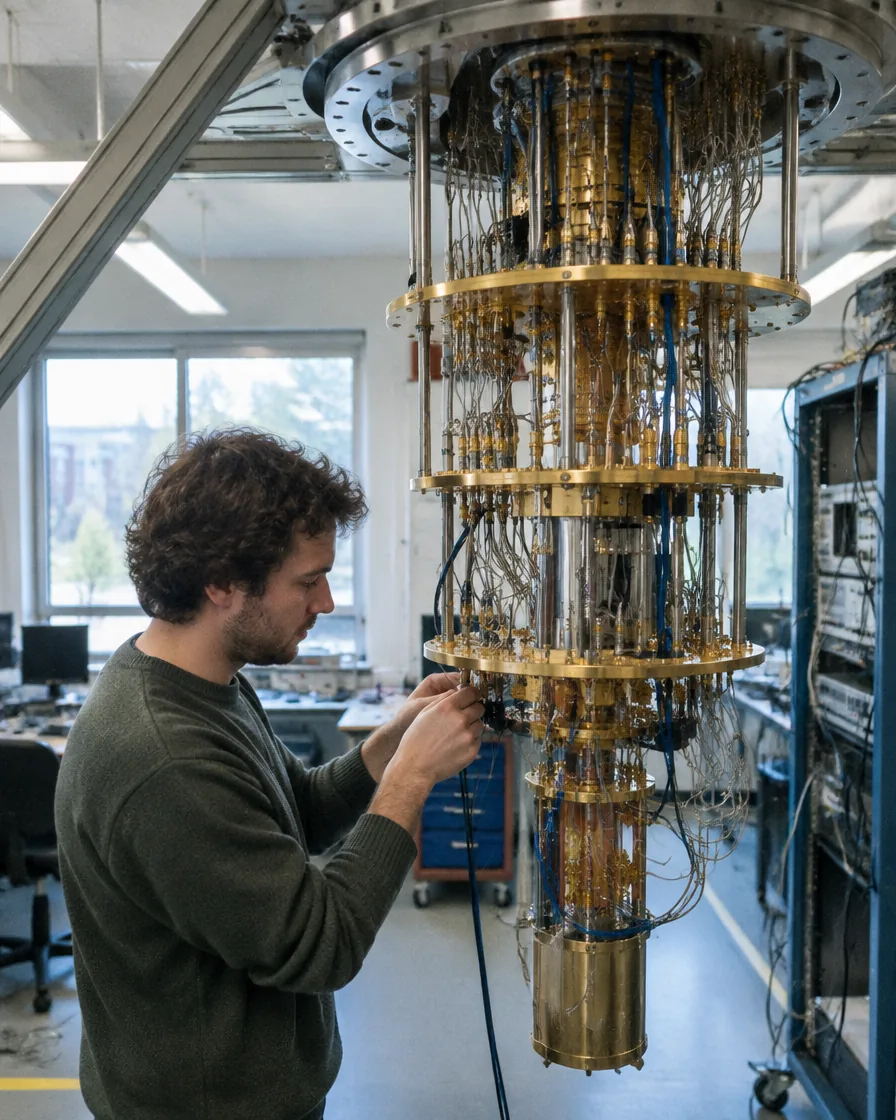
Magnetometry, gravimetry and precision timing applied to subsurface characterisation, cable and pipeline integrity, and grid measurement. Our interest is field readiness: noise, drift, packaging and cost, not laboratory records.
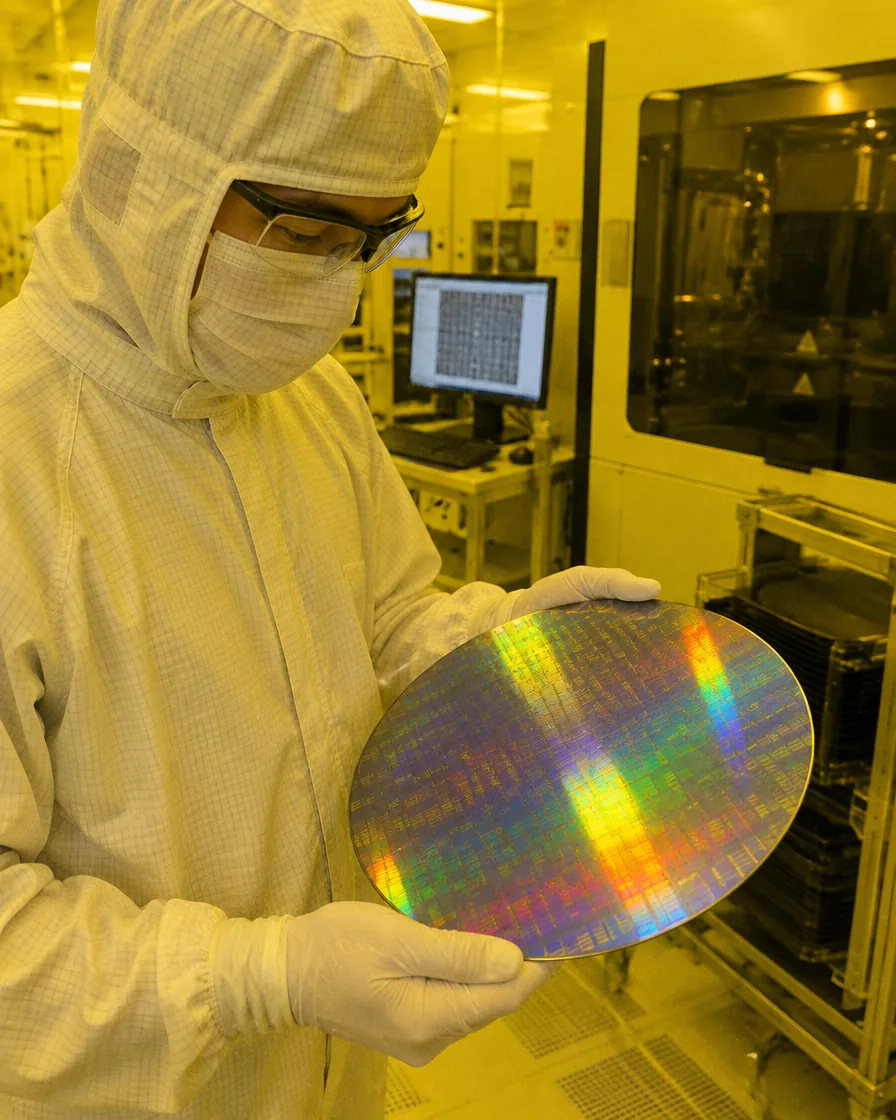
Coatings, catalysts, membranes and the interfaces where energy devices usually degrade. Fabrication and accelerated ageing run side by side, because a material that only performs when new is not a result.
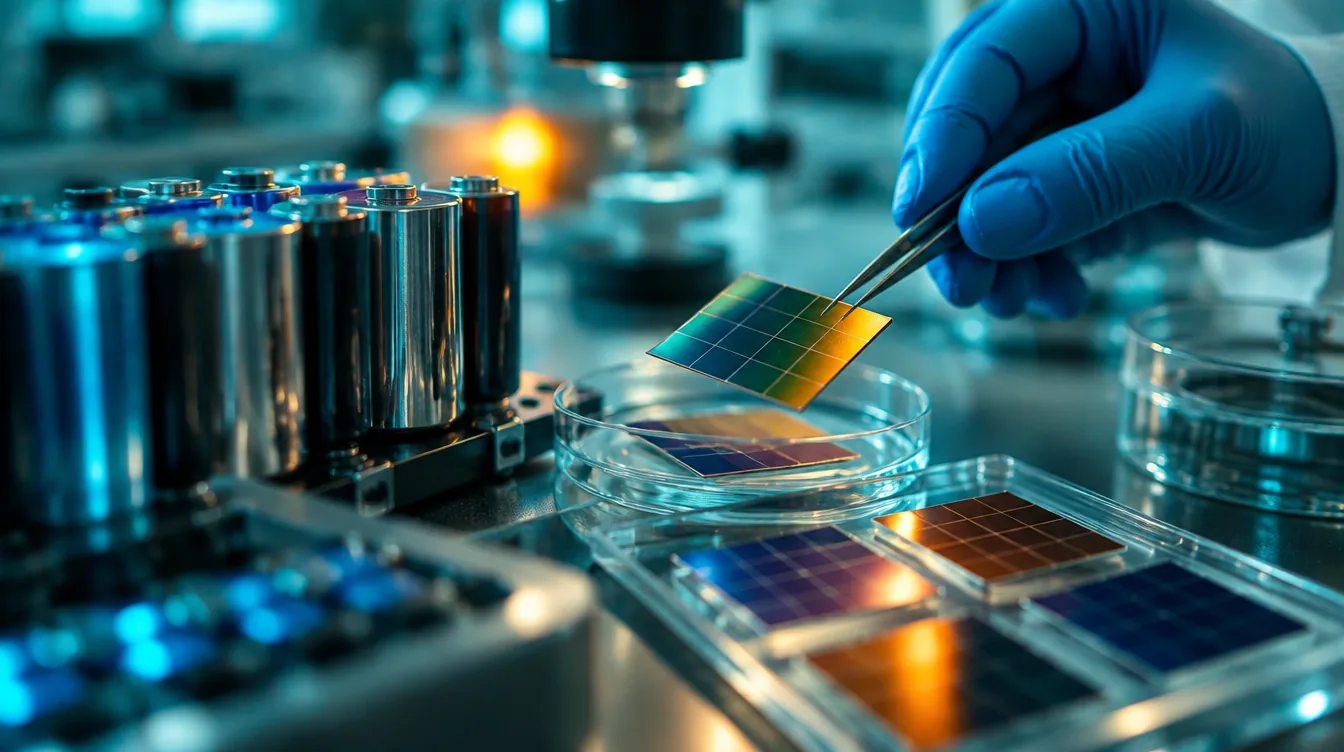
Consortium work is published and shared with partners under the terms of the grant. Client-funded development stays confidential, and a share of it is held for patent filing. We describe both in general terms here and in detail under NDA.
Where the work is
Denmark and the Nordics
We work with Danish developers, engineering houses and test facilities on North Sea and Baltic programmes. Our teams sit on the owner's side through design review, factory acceptance and offshore campaigns.
 Germany
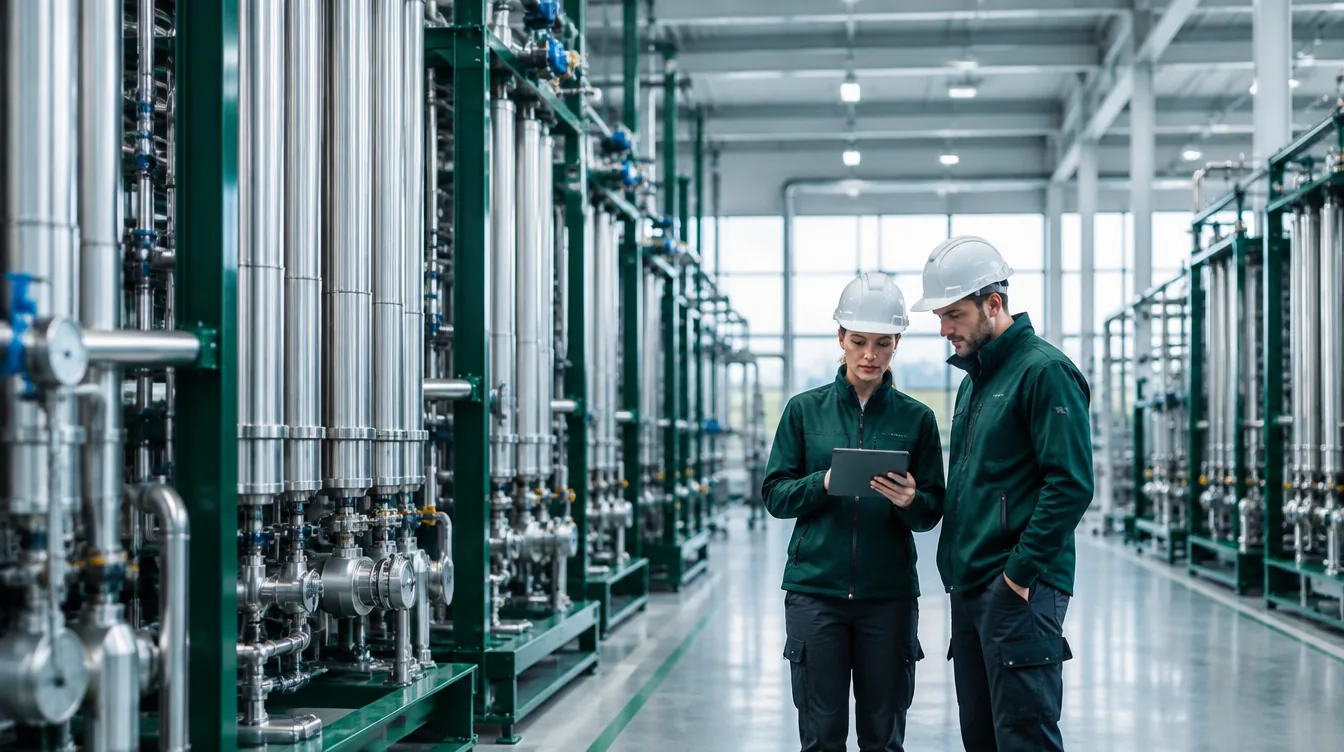
Mittelstand manufacturers and large industrial groups asking a practical question: what replaces the burner, where does the power come from, what does it cost, and what has to happen first. We answer it in their plants.
 North Africa
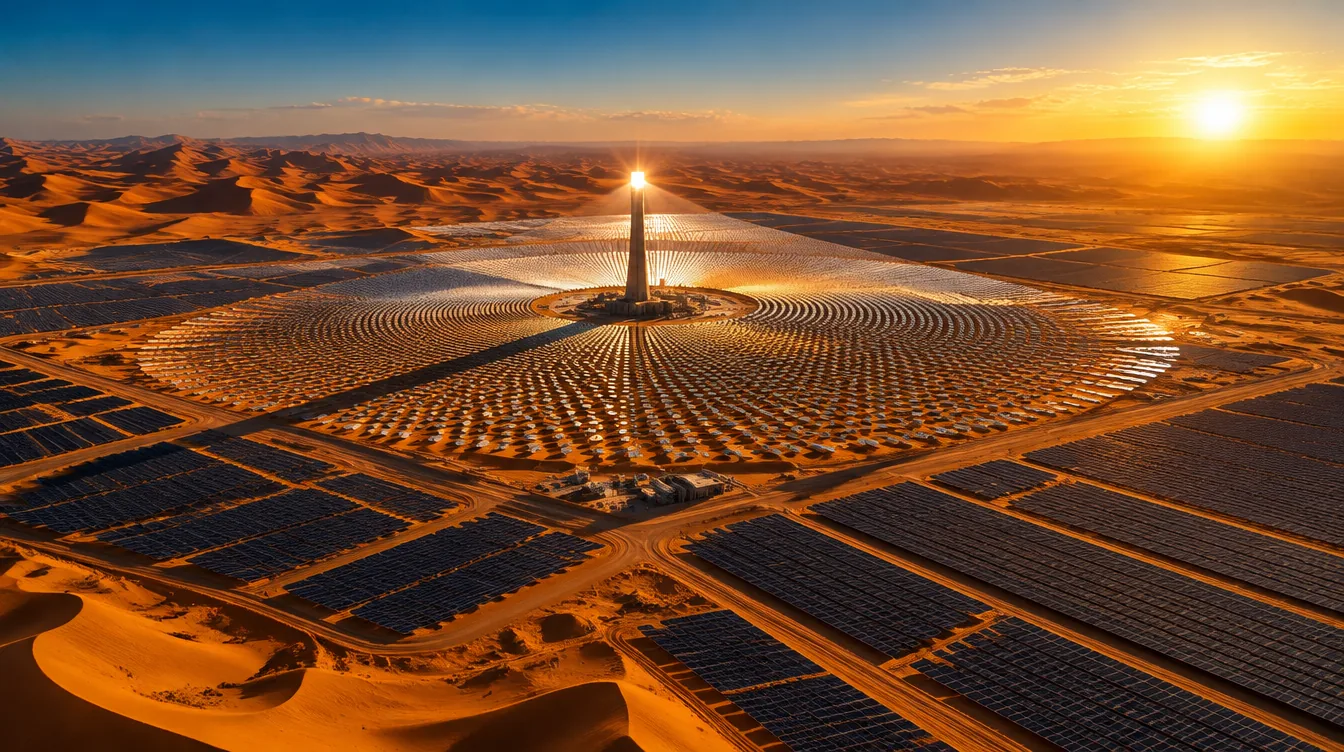
Programme direction and technical advisory on large solar and storage developments, including the interconnection and hydrogen export questions that decide whether they reach financial close.
European programmes
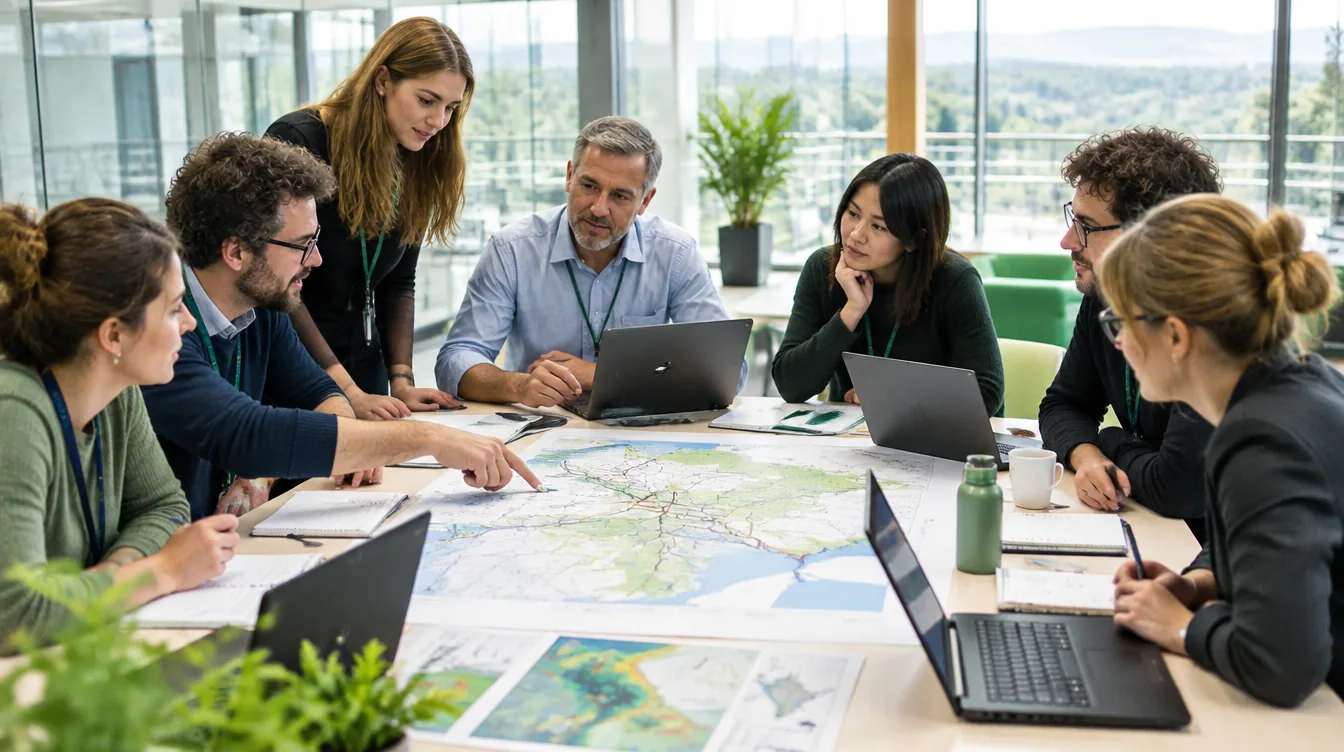
Acentrium sits in European research and demonstration consortia as a technical partner and, increasingly, as coordinator. We bring the industrial side of the table: the operator who will have to run the thing, the engineering case, and the route from work package to product.
Our partners include university groups in Germany and Denmark, national research institutes, technology SMEs and the industrial end users who host demonstrations. The administrative side matters as much as the science, so we run reporting, cost claims and audit preparation in-house rather than outsourcing them.
How we work
Two to four weeks. We establish what decision is actually being made, what evidence exists, and what would have to be true for each option to work. Most engagements change shape here, which is the point.
Modelling, studies and laboratory work. Assumptions are written down and owned by a named person. Where a number cannot be defended, we say so instead of smoothing it into a range.
A recommendation with the trade-offs intact, tested against lenders, regulators and the people who will operate the asset. We present to boards and to technical committees with the same material.
Owner's engineering, programme direction or embedded teams through execution. Consultants who signed the recommendation are the ones who see it built.

Careers
Our investors and delivery partners have funded a growth round of twenty people across strategy, engineering, research, programmes, data and commercial. The first ten roles are live and close on 30 November 2026. The second wave opens as consortium milestones are confirmed.
Contact
If you have a connection study that keeps failing, a plant concept that will not close commercially, a consortium proposal three weeks from deadline, or a measurement nobody can make in the field, those are the conversations we want.