Acentrium Talk to us

Research group

Instruments first.
Papers later.

Our research group works on measurement and materials for energy systems. The brief below is deliberately general: much of the programme runs under client confidentiality or consortium agreement, and we would rather say less in public than say it loosely.


Why a laboratory

Because the question keeps ending in a measurement.

Ask why a cable joint failed, how much hydrogen is actually crossing a membrane, what a formation looks like before drilling, or why a coating lost half its performance in eighteen months, and the honest answer is usually that nobody measured it well enough.

That is the gap this group works in. Three programmes run in parallel, and they share equipment, people and a bias toward instruments that leave the building.

We publish inside consortia because the funding requires it and because the work improves under review. We hold back client-funded development, and we file where filing is the right protection. Candidates and partners see the specifics under NDA, usually at the second conversation.

Programmes

Three, deliberately.

01

Optics and precision metrology

Laser-based sensing, spectroscopic diagnostics, fibre sensing and interferometric measurement. Applications run from distributed temperature and strain along cables to gas composition in process streams and vibration on rotating machines.

Bench to field trial, with industrial partners hosting the trials.

Fibre sensingSpectroscopyInterferometryImaging
02

Quantum sensing and metrology

Magnetometry, gravimetry and precision timing, assessed for field readiness rather than laboratory records. Our interest is what survives a substation, a vessel deck or a desert site: noise floor under real conditions, drift, packaging, power budget and unit cost.

Demonstrators, characterisation and technology due diligence for clients.

MagnetometryGravimetryTimingReadout
03

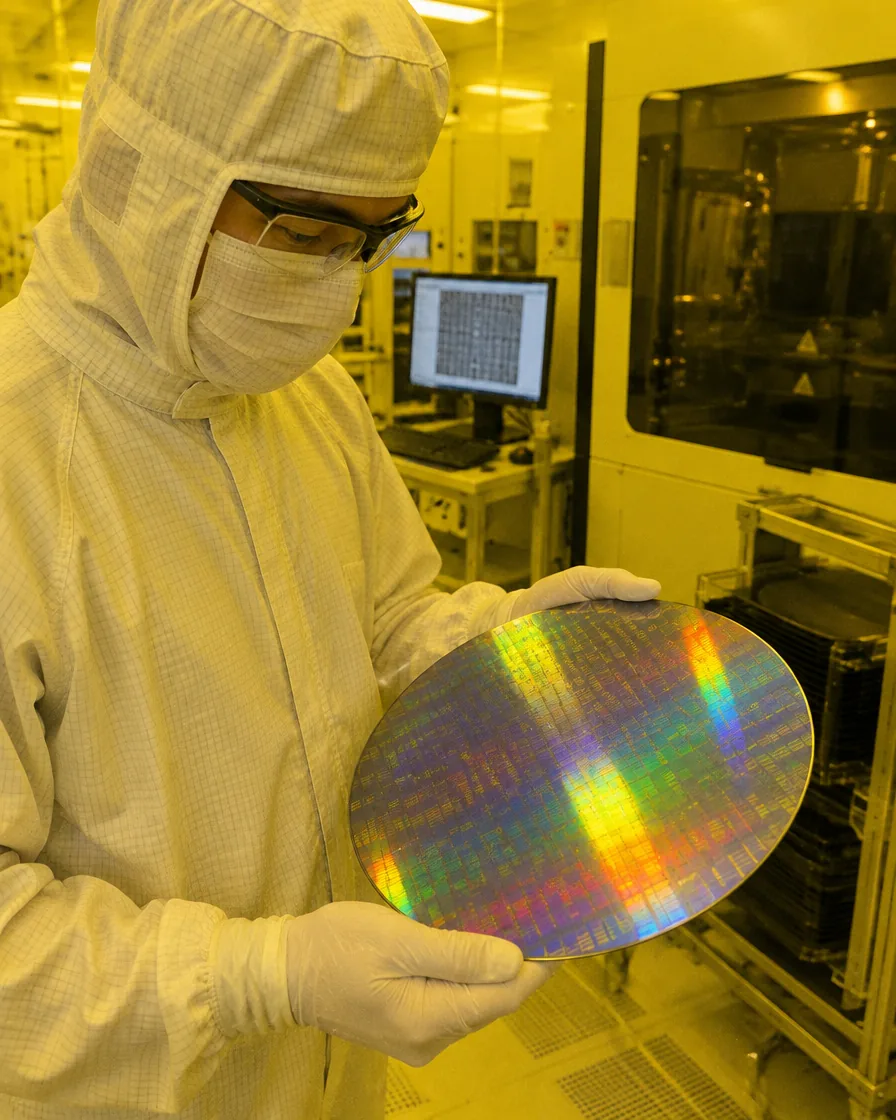
Nanostructured materials and interfaces

Coatings, catalysts, membranes and electrode interfaces, where most energy devices actually degrade. Fabrication runs alongside accelerated ageing, because a material that only performs when new is not a result worth reporting.

Partner cleanrooms and pilot lines for scale-up.

Thin filmsCatalysisMembranesAgeing
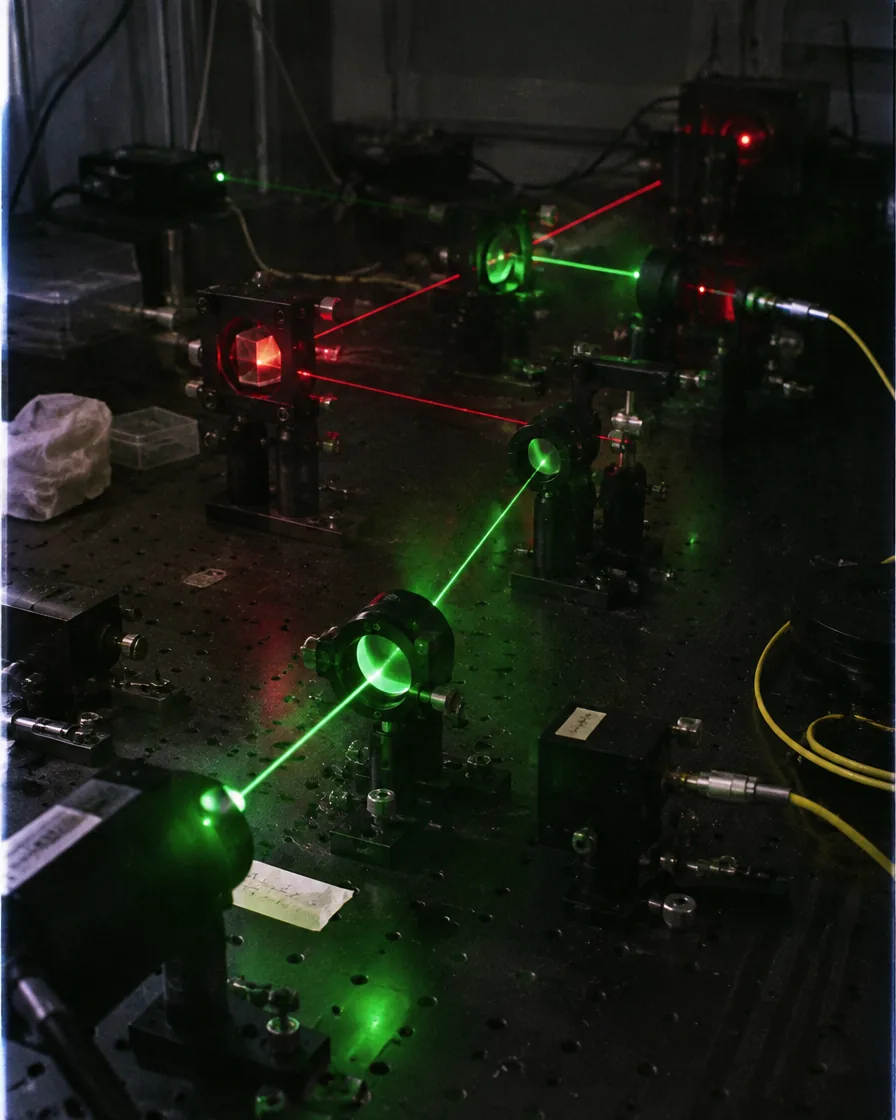
Laser beams on an optical bench
Photonics bench, Frankfurt
Researcher in a cleanroom with a nanostructured wafer
Cleanroom work with a partner institute

How we run it

Laboratory discipline, consultancy deadlines.

01

Question from the field

Programmes start from a client or consortium problem, not from an interesting technique. If nobody is stuck, we do not open a workstream.

02

Bench proof

Characterisation under controlled conditions, with the failure modes written down before the demonstration, not after it.

03

Environment

The same measurement under vibration, temperature swing, dust, salt and electromagnetic noise. Most ideas stop here, which is useful to know early.

04

Field trial

Hosted on a partner or client asset, instrumented so the result can be argued with.

05

Transfer

Into a product, a client deliverable, a consortium deliverable, or a patent filing. Sometimes into a decision not to continue.


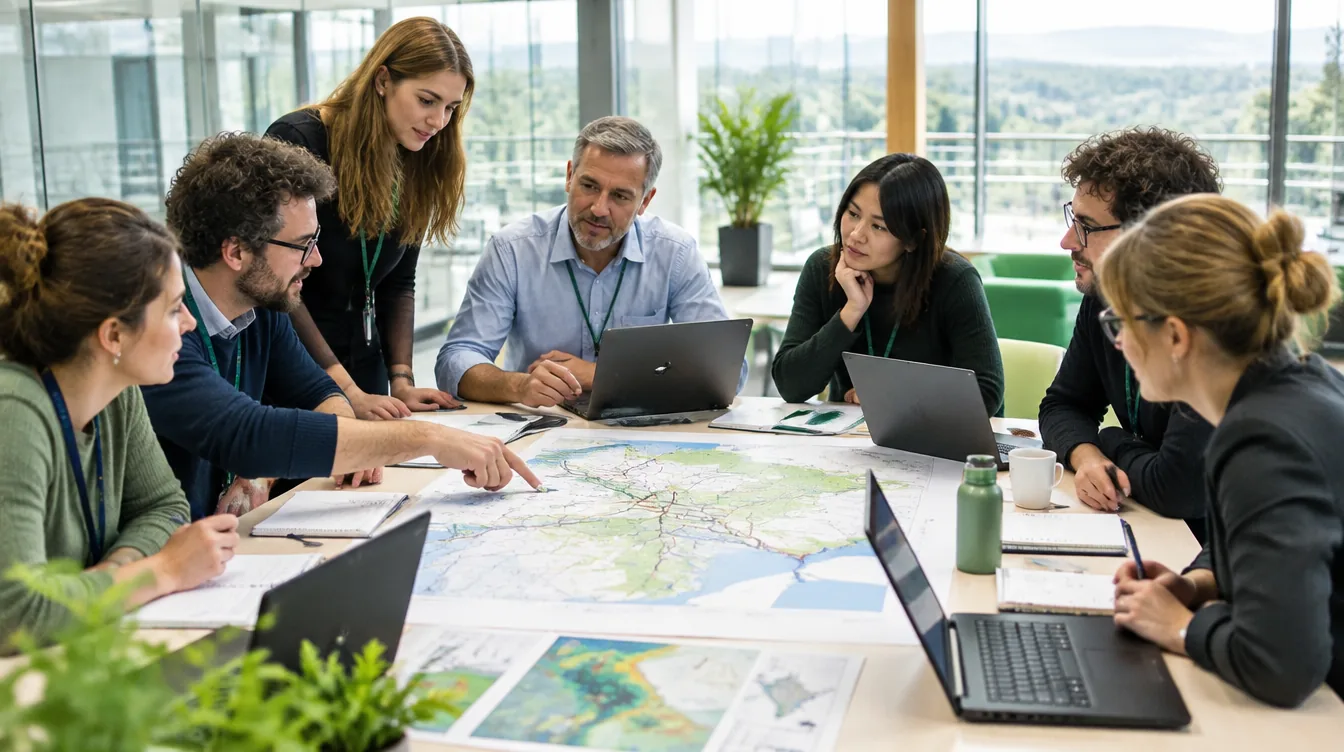
Consortium partners in a working session
Consortium review meeting

Collaboration

Who we work with

University groups in Germany and Denmark, national research institutes, instrumentation SMEs, and the industrial operators who host demonstrations. We are a technical partner in nine active European research and demonstration consortia, and coordinator on a growing share of them.

For industrial partners we take on the parts that a university group often cannot: qualification, documentation, safety cases and the transfer of a working instrument to somebody else's operations team.

If you are assembling a consortium and need an industrial partner with a laboratory and a delivery practice behind it, write to us early. The useful conversations happen before the call text is final.

Next step

Working on something adjacent?

We are open to joint proposals, hosted trials and technology due diligence work. Research roles in all three programmes are open until 30 November 2026.